







Modern Interior Trends and the Role of Surface Materials
The Rise of Material-Driven Design
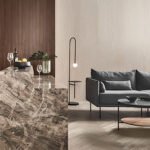
Modern interiors are increasingly material-focused. Instead of relying only on furniture or décor, designers now prioritize textures, finishes, and surfaces to define spaces.
This shift allows for:
- Cleaner and more seamless designs
- Better durability and long-term performance
- A more premium and cohesive look
The right material selection ensures that interiors are not only stylish but also practical for everyday use.
Key Surface Materials in Modern Interiors
Laminates – Versatile & Durable
Laminates are among the most widely used surface materials due to their versatility and cost-effectiveness. Available in a wide range of finishes such as matte, gloss, textured, and woodgrain, laminates are ideal for:
- Wardrobes and cabinets
- Wall panels
- Modular furniture
They offer excellent resistance to scratches, stains, and wear, making them suitable for both residential and commercial applications.
MDF & HDMR – Precision & Performance
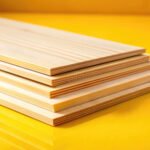
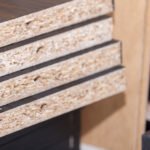
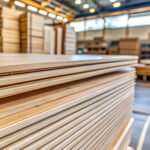
MDF (Medium Density Fiberboard) and HDMR (High Density Moisture Resistant board) are engineered wood products known for their smooth surface and uniform structure.
They are commonly used for:
- Modular furniture
- Routed and decorative panels
- Painted finishes
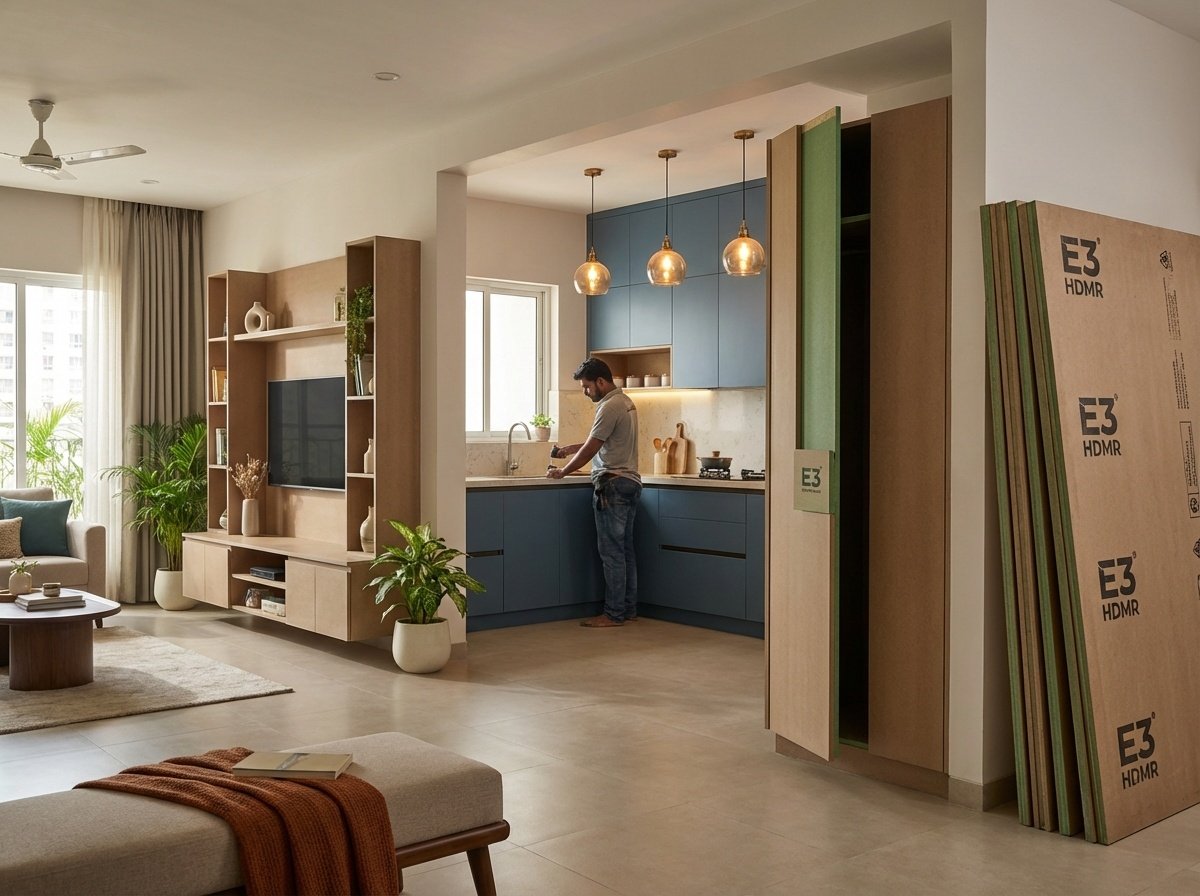
HDMR, with its enhanced moisture resistance and strength, is especially suitable for kitchens, bathrooms, and high-usage areas.
Acrylic Laminates – High-Gloss Luxury
Acrylic laminates are synonymous with modern, high-end interiors. Known for their mirror-like finish and vibrant colors, they add a sleek and sophisticated touch to spaces.
Key benefits include:
- High gloss and depth
- Scratch and moisture resistance
- Easy maintenance
They are widely used in modular kitchens, wardrobes, and contemporary furniture designs.
Veneers – Natural Elegance
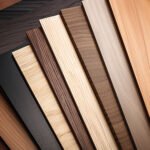
Veneers bring the richness of natural wood into interiors. Each sheet has a unique grain pattern, offering a timeless and premium appeal.
They are ideal for:
- Feature walls
- Executive office spaces
- Luxury residential interiors
Veneers combine natural beauty with refined craftsmanship, making them a preferred choice for high-end designs.
Applications of Surface Materials
Surface materials play a vital role across various interior elements:
- Wall Panels: Add texture and visual depth
- Furniture: Provide durability with design flexibility
- Cabinets & Storage: Ensure functionality with aesthetic appeal
- Decorative Elements: Enhance the overall look and feel of a space
Their versatility allows designers to create cohesive interiors that balance style and performance.
Emerging Trends in Surface Materials
Modern interior design continues to evolve with a focus on:
- Minimal and seamless finishes
- Combination of matte, gloss, and textured surfaces
- Sustainable and eco-friendly materials
- High-performance materials for long-term durability
These trends reflect a growing preference for smart, stylish, and sustainable interiors.