

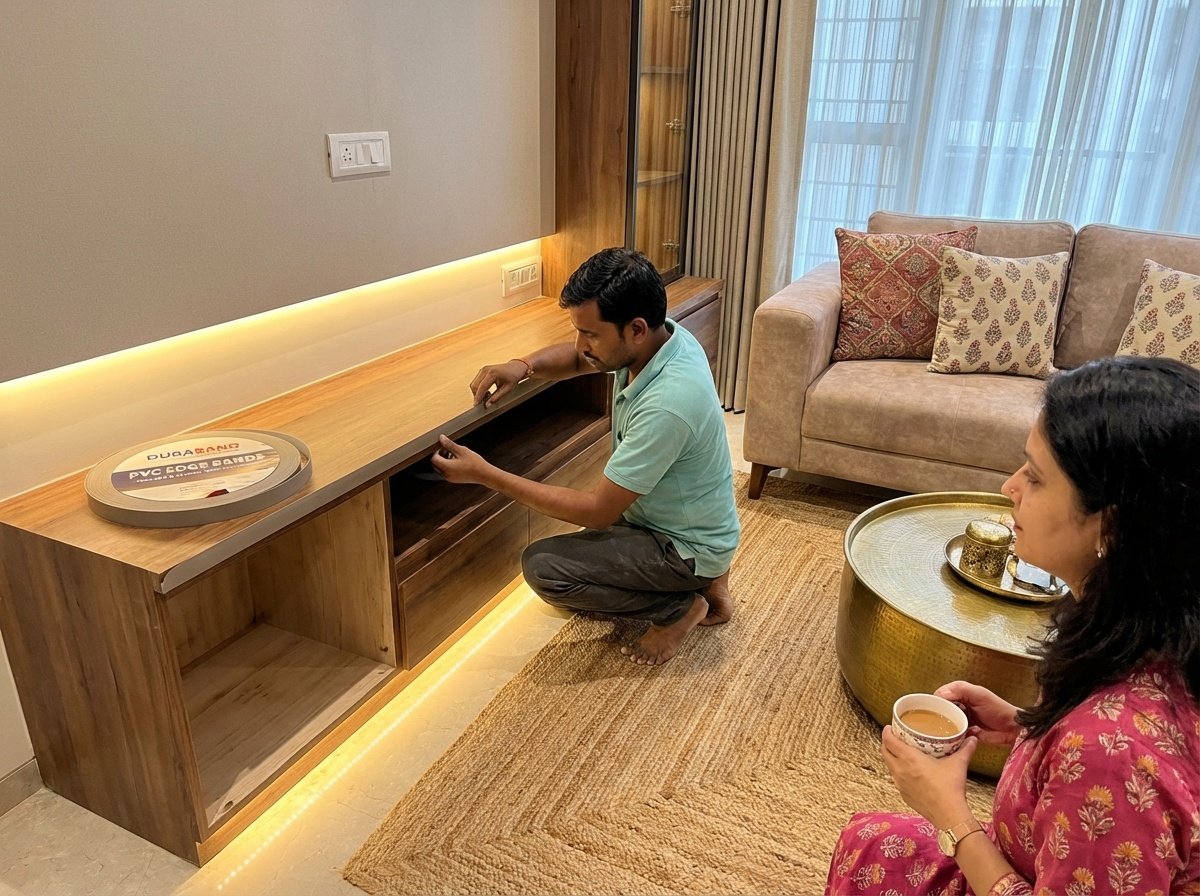
MDF vs HDMR – Understanding the Best Material for Modern Furniture
When it comes to modern furniture and interior design, selecting the right core material is just as important as choosing the finish. Among the most commonly used engineered wood products are MDF (Medium Density Fiberboard) and HDMR (High Density Moisture Resistant board).
While both offer smooth surfaces and design flexibility, they differ significantly in terms of strength, durability, and moisture resistance. Understanding these differences helps in choosing the right material for the right application.
What is MDF?
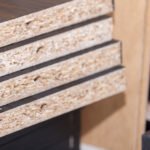
Medium Density Fiberboard (MDF) is an engineered wood product made by compressing wood fibers with resin under high pressure.
Key characteristics:
- Smooth and uniform surface
- Ideal for painting and decorative finishes
- Easy to cut, shape, and route
- Cost-effective solution
Best used for:
- Indoor furniture
- Wall panels
- Decorative elements
- Wardrobe shutters (in dry areas)
MDF is perfect for applications where aesthetic detailing and smooth finishing are the priority.
What is HDMR?
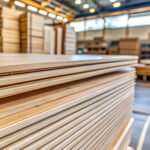
High Density Moisture Resistant (HDMR) board is an advanced engineered board designed to offer higher strength and better resistance to moisture compared to MDF.
Key characteristics:
- High density and strength
- Excellent screw-holding capacity
- Superior moisture resistance
- Resistant to termites, borers, and fungus
Best used for:
- Modular kitchens
- Bathroom furniture
- Cabinets and wardrobes
- High-usage furniture
HDMR is ideal for spaces that require durability and long-term performance under demanding conditions.
MDF vs HDMR – Key Differences
Strength & Durability: MDF has moderate strength suitable for light to medium use. HDMR has high strength built for heavy-duty applications.
Moisture Resistance: MDF has limited resistance and is not ideal for wet areas. HDMR is designed to withstand humidity and moisture.
Screw Holding Capacity: MDF has average holding strength. HDMR has strong holding capacity ideal for modular furniture.
Surface Finish: MDF is excellent for paint and polish finishes. HDMR has a smooth surface suitable for laminates, acrylics, and paints.
Cost Factor: MDF is more economical. HDMR is slightly premium but offers better performance.
Which One Should You Choose?
The choice between MDF and HDMR depends on usage, environment, and expectations.
Choose MDF when:
- You need decorative furniture
- The area is dry
- Budget is a key factor
Choose HDMR when:
- Durability is important
- The space is exposed to moisture
- You want long-lasting performance
Ideal Applications in Modern Interiors
MDF: Wall panels, decorative shutters, painted furniture
HDMR: Kitchen cabinets, wardrobes, bathroom units, commercial furniture
Combining both materials strategically can help achieve a balance of design and durability.
Both MDF and HDMR play important roles in modern furniture design. While MDF offers smooth finishes and affordability, HDMR stands out with its strength, moisture resistance, and longevity. Choosing the right material ensures that your furniture is not only visually appealing but also built to last.