







Modern Interior Trends and the Role of Surface Materials
Interior design today goes beyond aesthetics—it is about creating spaces that are functional, durable, and visually refined. As modern lifestyles evolve, the demand for high-performance interiors has increased, making surface materials a critical element in design.
From laminates and MDF to acrylic panels and veneers, these materials form the foundation of contemporary interiors, shaping both appearance and longevity.
The Rise of Material-Driven Design
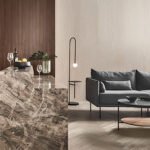
Modern interiors are increasingly material-focused. Instead of relying only on furniture or décor, designers now prioritize textures, finishes, and surfaces to define spaces.
This shift allows for:
- Cleaner and more seamless designs
- Better durability and long-term performance
- A more premium and cohesive look
The right material selection ensures that interiors are not only stylish but also practical for everyday use.
Key Surface Materials in Modern Interiors
Laminates – Versatile & Durable
Laminates are among the most widely used surface materials due to their versatility and cost-effectiveness. Available in a wide range of finishes such as matte, gloss, textured, and woodgrain, laminates are ideal for:
- Wardrobes and cabinets
- Wall panels
- Modular furniture
They offer excellent resistance to scratches, stains, and wear, making them suitable for both residential and commercial applications.
MDF & HDMR – Precision & Performance
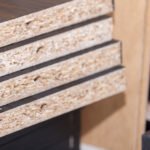
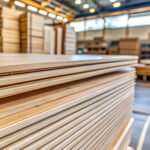
MDF (Medium Density Fiberboard) and HDMR (High Density Moisture Resistant board) are engineered wood products known for their smooth surface and uniform structure.
They are commonly used for:
- Modular furniture
- Routed and decorative panels
- Painted finishes
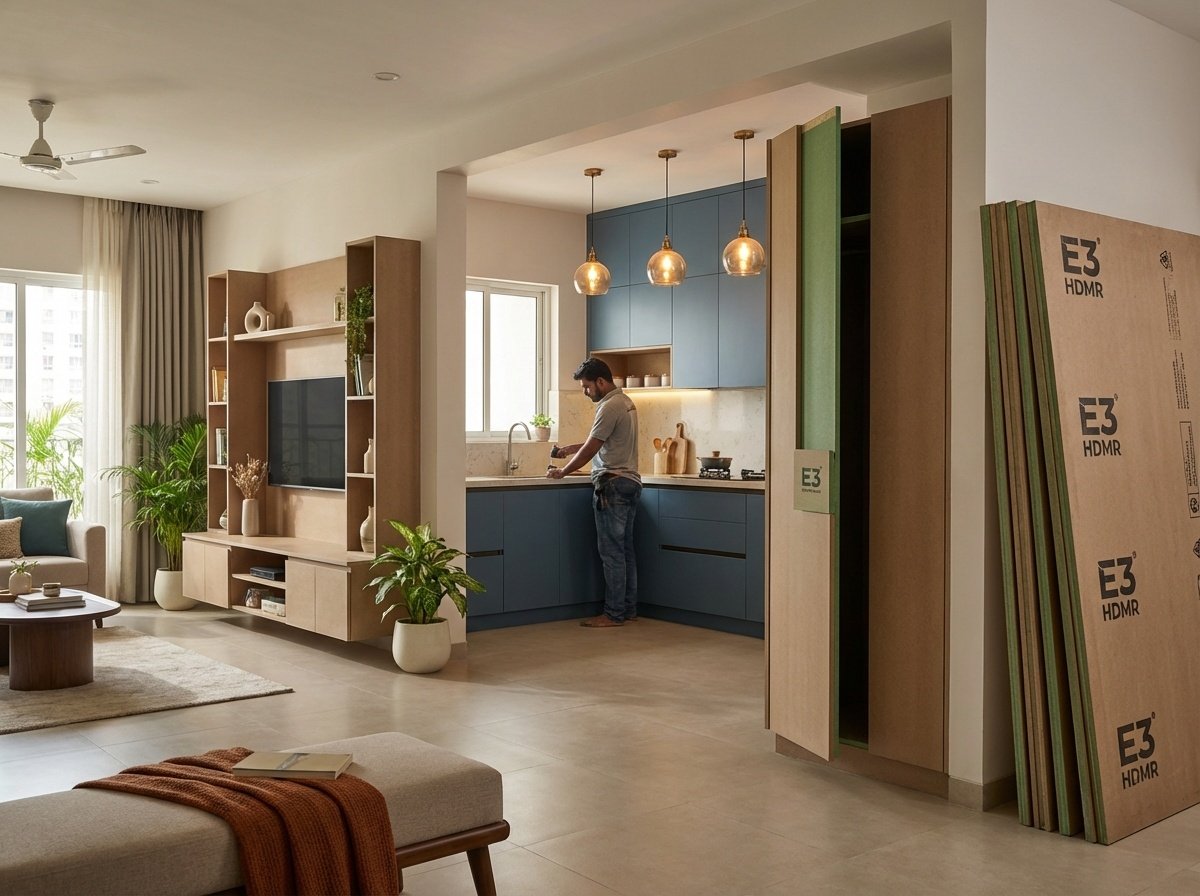
HDMR, with its enhanced moisture resistance and strength, is especially suitable for kitchens, bathrooms, and high-usage areas.
Acrylic Laminates – High-Gloss Luxury
Acrylic laminates are synonymous with modern, high-end interiors. Known for their mirror-like finish and vibrant colors, they add a sleek and sophisticated touch to spaces.
Key benefits include:
- High gloss and depth
- Scratch and moisture resistance
- Easy maintenance
They are widely used in modular kitchens, wardrobes, and contemporary furniture designs.
Veneers – Natural Elegance
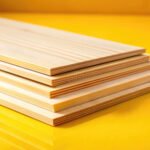
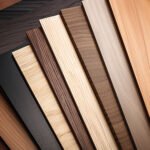
Veneers bring the richness of natural wood into interiors. Each sheet has a unique grain pattern, offering a timeless and premium appeal.
They are ideal for:
- Feature walls
- Executive office spaces
- Luxury residential interiors
Veneers combine natural beauty with refined craftsmanship, making them a preferred choice for high-end designs.
Applications of Surface Materials
Surface materials play a vital role across various interior elements:
- Wall Panels: Add texture and visual depth
- Furniture: Provide durability with design flexibility
- Cabinets & Storage: Ensure functionality with aesthetic appeal
- Decorative Elements: Enhance the overall look and feel of a space
Their versatility allows designers to create cohesive interiors that balance style and performance.
Emerging Trends in Surface Materials
Modern interior design continues to evolve with a focus on:
- Minimal and seamless finishes
- Combination of matte, gloss, and textured surfaces
- Sustainable and eco-friendly materials
- High-performance materials for long-term durability
These trends reflect a growing preference for smart, stylish, and sustainable interiors.